Featured Post
VictoriaMetrics 2026 Mid Year Roundup
Take a look at what we shipped in the first half of 2026 across VictoriaMetrics: metrics, logs, traces, and cloud,with improvements in performance, scalability, and usability.

Take a look at what we shipped in the first half of 2026 across VictoriaMetrics: metrics, logs, traces, and cloud,with improvements in performance, scalability, and usability.
No matching authors found.
No matching categories found.
When vmselect asks vmstorage for data, there’s actually quite a bit happening behind the scenes. This article breaks down the process of how vmstorage locates and retrieves your metrics, from finding the right TSIDs to sending back the actual data points.
IndexDB acts as vmstorage’s memory - it remembers which numbers (TSIDs) belong to which metrics, making sure your queries get answered fast. This article walks through how this system works, from the way it organizes data to how it keeps track of millions of timeseries.
Join us for the first stream of our brand new monthly tech talk series, where we’ll dive deep into the world of monitoring and observability.Dive into the world of monitoring and observability in our first monthly tech talk stream.
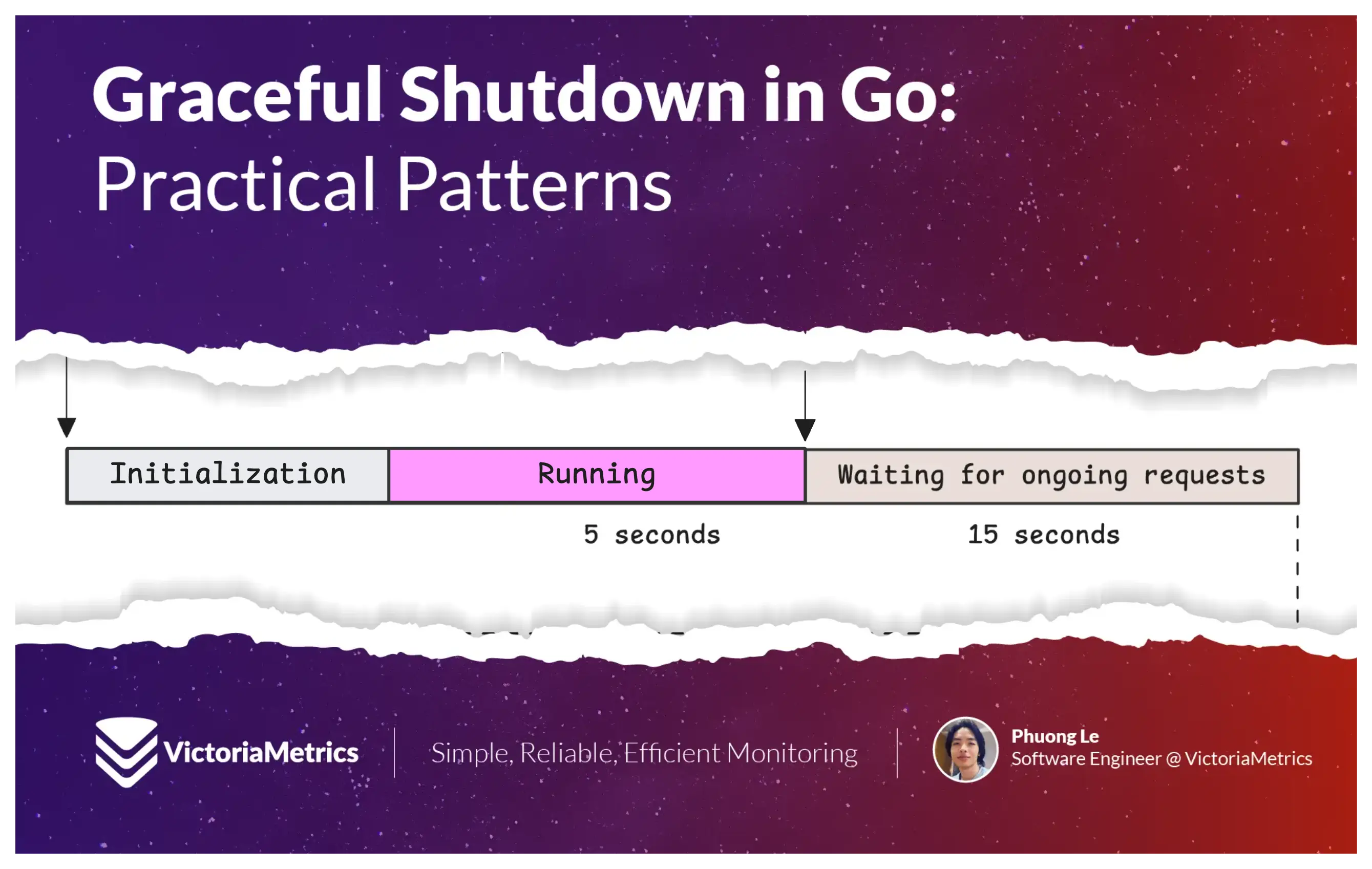
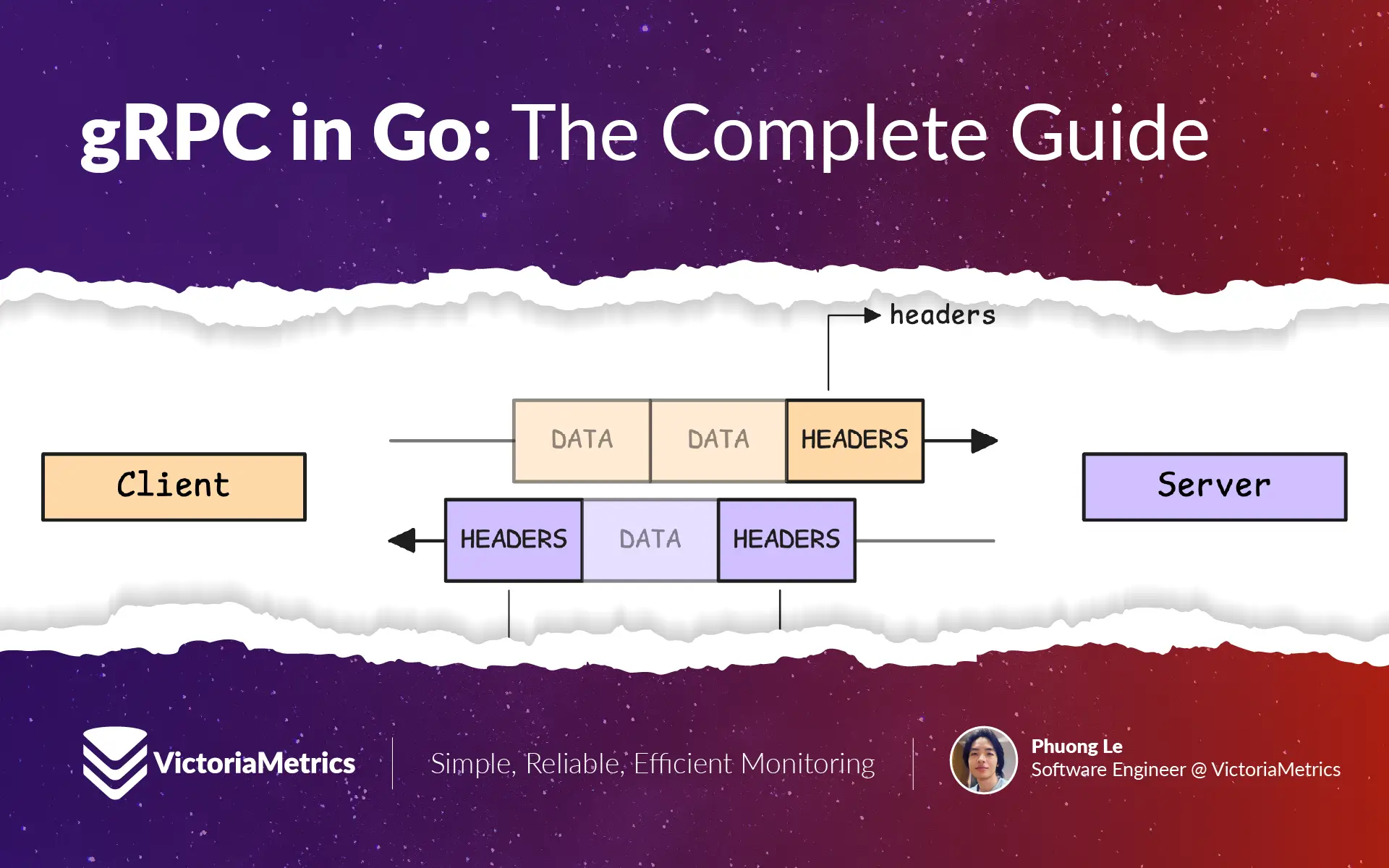
HTTP/2 solves head-of-line blocking at the application layer by multiplexing multiple streams over a single TCP connection. While HTTP/1.1 requires requests to be processed sequentially, HTTP/2 allows parallel processing through independent streams, each with its own ID. The Go standard library supports HTTP/2 out of the box when using HTTPS, and with some configuration, it can work over plain HTTP too
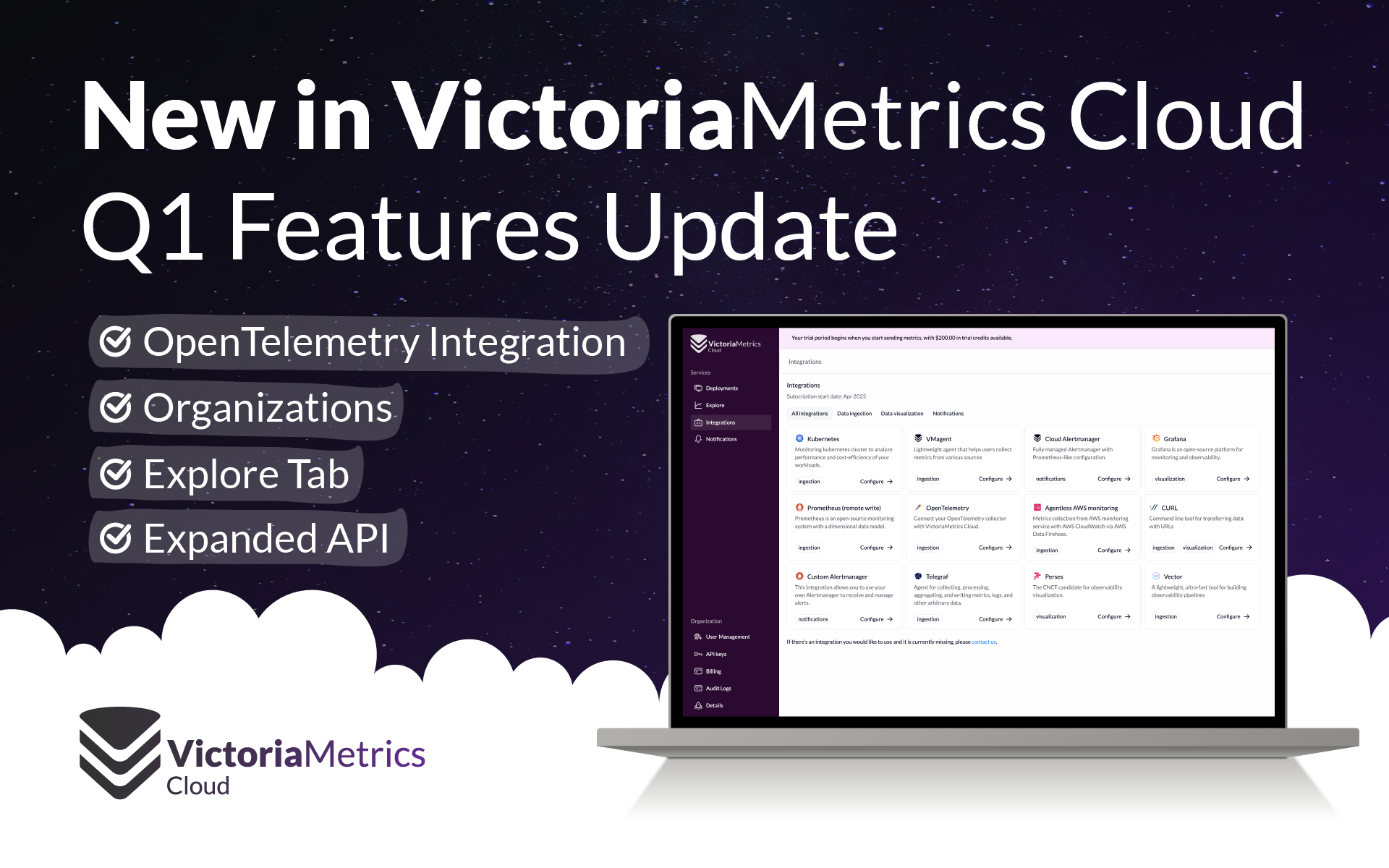
As we start the year we discuss the latest-and-greatest enhancements of VictoriaMetrics Cloud. These updates include two new integrations, improved billing features, enriched documentation, a more user-friendly interface, and enhanced usability—each designed to make your monitoring experience even smoother and more productive.
vmstorage takes data from vminsert through a concurrency limiter, creates TSIDs for each row, and puts them in memory buffers. Every few seconds, it moves data to storage parts on disk. The system merges parts, removes duplicates, and cleans old data. This turns raw metrics into data users can search.
This article explains how vmstorage processes incoming metrics, assigns unique IDs to timeseries, and organizes everything into different types of storage parts. The whole system is pretty clever - it uses in-memory buffers for speed, smart compression to save space, and has various watchdogs keeping an eye on things like disk space and data retention.
vminsert acts as a gateway for incoming monitoring data. It receives data in different formats, processes it by parsing and adjusting labels, then uses memory buffers to send this data to storage nodes. It’s smart enough to always send the same type of data to the same storage node and can redirect data if a node isn’t working properly.
The net/rpc package in Go demonstrates basic RPC concepts by establishing TCP connections between clients and servers, using sequence numbers to match requests with responses, and supporting both gob (Go-specific) and JSON codecs for data serialization. While net/rpc is simpler and limited to Go services by default, gRPC offers advanced features like HTTP/2 streaming, cross-language support, and better performance
We’re happy to announce that VictoriaMetrics and IHI Terrasun Solutions, a leading energy storage system integrator, have partnered on one of North America’s largest clean energy projects!